
Auto Repair Invoice: What Most Mechanics Forget (But Should Include)
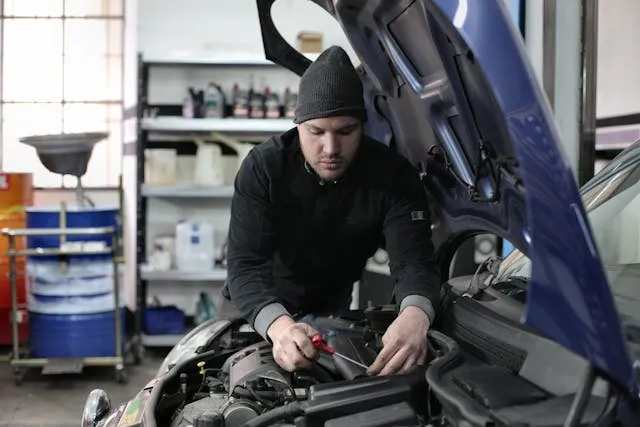
Many auto repair shops still send basic invoices that miss crucial elements for business growth. They stick to simple service lists and pricing tables, leaving out components that could transform customer relationships and boost their bottom line.
From our years working with repair shops, we’ve learned that invoice quality directly impacts customer trust and retention rates. Your auto repair invoice needs more than basic service details - it requires clear documentation, detailed parts information, and transparent labor breakdowns.
Detailed, transparent invoices give customers fewer reasons to doubt a bill and more reasons to come back. Yet many shops overlook these essential elements, missing opportunities to strengthen their professional image and build lasting client relationships.
Ready to discover what your repair invoices might be missing? Let’s explore proven elements that boost customer confidence, streamline your payment process, and set your shop apart from local competition. These aren’t just minor tweaks - they’re game-changing additions that transform basic invoices into powerful business tools.
Essential Elements Most Auto Invoices Miss
Experience shows that proper documentation makes the difference between average and exceptional auto repair services. Three vital elements are often missing from repair invoices.
Customer Vehicle History Section
Vehicle service records form the foundation of professional auto repair work. Your invoice must capture every detail that matters:
- Complete vehicle specifications and verified customer information
- Entry and exit mileage readings to prevent future disputes
- Searchable repair history for informed service decisions
Think of your vehicle history section as a car’s medical record. Just like doctors track patient history, professional shops maintain detailed service documentation. This systematic approach prevents duplicate services while identifying patterns that could signal deeper issues.
Future Maintenance Timeline
Smart auto repair shops use maintenance schedules to build lasting client relationships. Your timeline needs:
- Upcoming services based on manufacturer guidelines
- Current measurements for critical components like brakes and tires
- Clear distinction between required maintenance and optional services
| Service Type | Timing Basis | Purpose |
|---|---|---|
| Required | Manufacturer specs | Safety & performance |
| Recommended | Component wear | Prevent breakdowns |
| Optional | Enhanced function | Improve experience |
Parts Quality Documentation
Parts documentation requires careful attention to these essential details:
- New/used/reconditioned status for each component
- OEM versus non-OEM classification for crash parts
- Specific brand names and part numbers
- Complete warranty coverage information
Some states make part of this a legal requirement. California’s Automotive Repair Act, for example, requires the invoice to list service work and parts separately with their own subtotals and sales tax, to state clearly when parts are used, rebuilt or reconditioned, and to say whether crash parts are OEM or non-OEM aftermarket parts (Business and Professions Code 9884.8). Check the rules in your state.
Note that some parts cannot return to customers due to core charges or warranty requirements. Quality documentation protects everyone involved while building trust through transparency. Detailed parts records also help maintain accurate service history, directly affecting vehicle resale value.
From our experience working with successful shops, these elements transform basic invoices into powerful business tools. Your documentation becomes more than just paperwork - it creates a clear picture of professional service quality and builds lasting trust with clients.
Building Trust Through Transparent Pricing
Talking about money makes most shop owners nervous. Yet experience shows that clear pricing builds the strongest customer relationships in auto repair services. Let’s look at how proper cost documentation prevents misunderstandings and creates lasting trust.
Breaking Down Labor Costs
Your heart might race when discussing labor rates with customers. Still, professional shops display these costs prominently on every invoice. Hourly labor rates vary widely and depend heavily on shop location, shop type (independent, chain or dealer), expertise level, and running costs.
Value matters more than price. That’s why successful shops separate labor hours from total costs clearly. Most use flat-rate pricing systems that work like this:
- Technicians follow predetermined repair times
- Customers pay based on these standard times
- Actual completion time doesn’t change the price
Think about replacing a starter. The flat-rate guide shows two hours. Even if our expert mechanic finishes faster, the price stays the same. This approach keeps pricing fair and consistent across all jobs.
Parts Markup Explanation
Let’s talk about parts pricing - an area where many shops struggle with transparency. Start with a target profit margin for parts, then price each part with this simple math: Full cost of part / (100 - target profit margin) x 100.
Smart shops use this markup matrix:
- Basic parts - higher markup works
- Expensive components - lower markup needed
- Competition-sensitive items - market-based pricing
- Hard-to-find parts - availability-based rates
Remember these hidden costs that affect pricing:
- Storage and inventory costs
- Ordering system expenses
- Insurance requirements
- Parts becoming obsolete
Here’s an example: with a 45% target margin, a part that costs you USD 100 sells for USD 181.82 (100 / 55 x 100). A consistent formula like this helps you explain your prices and helps customers understand true value.
Your parts documentation needs both quality and source information. Note whether components are OEM or aftermarket, plus warranty details. This careful record-keeping protects your business while building customer confidence through honest communication.
From our years in the business, we’ve learned that transparency about costs creates the strongest client relationships. When customers understand the value behind your pricing, they stick with your shop for the long haul.
Digital Features That Boost Professionalism
Talking about digital tools makes most shop owners nervous—your heart races thinking about new technology. Yet customers now expect to pay and sign from their phones. Let’s explore how these features transform basic invoices into powerful business tools.
QR Codes for Payment
Your customers want simple payment options, and many are used to paying by scanning a QR code with their phone. Ready to make payments easier? Here’s a simple three-step process:
- Create unique payment links per invoice
- Add QR codes to your bills
- Let customers scan and pay instantly
Experience shows this approach works better than expensive payment terminals. Plus, smartphone security features protect both you and your customers.
Interactive Service History
Think of digital service history like a car’s medical record—every detail matters. Your software needs to track:
- Past repairs and maintenance
- Parts replaced and warranty details
- Future service needs based on manufacturer guidelines
Value matters more than complexity. Clear inspection reports help technicians make smart decisions about repairs, and a complete history gives customers a reason to return to the shop that knows their car.
Digital Signature Integration
Remember the days of chasing paper signatures? Modern invoice systems now offer secure electronic signatures that meet US and EU rules. Your shop gets:
- Signatures from any device
- Safe document storage
- Automatic filing
- Complete audit records with timestamps
Sending invoices through email or text lets customers sign from anywhere. This simple change saves time while protecting everyone involved.
The secret to successful digital features lies in making them work for you, not the other way around. When technology feels natural to your workflow, it builds trust and keeps customers coming back.
Customer Communication Enhancements
Pictures tell stories words can’t capture. Customers who can see the worn part or the leak for themselves make better-informed repair decisions. Let’s explore how visual proof transforms customer trust and builds lasting relationships.
Service Photos and Videos
Your heart might race thinking about taking dozens of photos. Still, professional documentation needs clear photos of every problem you report. Basic shots help, but edited images with clear markers make the real difference. Here’s what works best:
- Red arrows showing problem spots
- Yellow circles around damaged parts
- Clear notes explaining technical terms
- Side-by-side repair comparisons
- Time-stamped proof of work
Marked-up photos make recommendations easier to approve. Think about it: clear visual proof helps customers trust your recommendations more than technical jargon ever could.
Technician Notes Section
Experience teaches us that detailed technician notes turn basic invoices into powerful trust-building tools. Service advisors need to keep communication flowing, especially when estimates change or extra work appears. Some states regulate this: in California, for example, a shop must give the customer a written estimate for parts and labor and get the customer’s consent before charging more than the estimate, and oral consent must be documented on the work order and invoice (Business and Professions Code 9884.9).
Quality technician notes must show:
- Every diagnostic step taken
- Real equipment readings
- Exact part conditions
- Smart maintenance suggestions
Remember, thorough documentation protects everyone during warranty questions or disputes. Diagnostic screenshots paired with detailed notes prove your findings beyond doubt.
The secret lies in combining clear pictures with complete technician notes. This approach tells the whole story from when a car enters your shop until repairs finish. Your invoice becomes more than a bill - it shows true professional expertise and builds lasting trust.
Value-Adding Invoice Components
Talking about warranties and loyalty programs might sound boring. Yet these elements transform basic invoices into powerful business tools. Let’s explore three components that boost your shop’s value proposition.
Warranty Information Display
Your warranty documentation needs more than basic coverage terms. If you give a written warranty that covers both the parts and the workmanship of a repair, the federal Magnuson-Moss Warranty Act applies, and its terms must be clear and easy to read. Putting them on the invoice keeps the complete story in one place:
- Warranty provider details
- Exact coverage scope
- Clear end dates
- Problem-solving steps
- Customer duties
Think about parts return policies. Many states require shops to give replaced parts back when the customer asks. In California, for example, the customer must ask when the work order is taken, and parts that go back to the manufacturer or distributor under a warranty arrangement are excepted (Business and Professions Code 9884.10). When you can’t return parts, explain why - usually due to core charges or warranty rules.
Maintenance Tips
Quality maintenance records protect both you and your customers. Your documentation should show:
- Complete estimates and final bills
- Full warranty details
- Parts purchase proof
- Outside repair records
- Certified tech information
Numbers tell the truth about maintenance planning. Clear service records help customers budget for future repairs while showing your commitment to their vehicles. Smart shops use these records to help schedule upcoming services at the right time.
Customer Loyalty Program Details
Manual point tracking gives most shop owners headaches. Modern systems make loyalty programs simple by:
- Starting enrollment at first visits
- Recording points automatically
- Making rewards easy to use
- Sending point updates
- Creating program reports
Smart shops reward more than just spending. Your program should give points for:
- Setting up online accounts
- Following service schedules
- Bringing new customers
- Sharing feedback
Value matters more than points. Good loyalty programs turn one-time customers into long-term partners. When your invoice includes clear reward details, it becomes a powerful tool for building lasting relationships.
Conclusion
Talking about invoices might sound simple. Yet experience shows that professional documentation needs more than service lists and prices. Think about it - your invoice tells the story of your expertise and builds trust that keeps customers coming back.
Detailed vehicle histories and clear pricing give customers reasons to stay with your shop. Digital features turn basic bills into powerful business tools. Ready to transform your repair documentation? Try auto repair software Invoxa today! Invoxa lets you list parts and labor separately, attach photos, collect the customer’s signature and take card payments through your own Stripe account. It is a general invoicing app, so it does not keep vehicle service histories, run digital inspections or manage loyalty programs.
The secret lies in proper documentation. Quality photos, detailed tech notes, and clear warranty information show your true expertise. Smart maintenance tips and loyalty programs add value that matters to customers.
Your invoice does more than collect payment - it protects your business while building lasting relationships. Experience teaches us that shops implementing these elements see:
- Higher customer trust
- Faster payments
- Stronger repeat business
- Better word-of-mouth referrals
Remember, value matters more than price. When your invoice shows true professional quality, customers stick with your shop for years to come. That’s not just good documentation - it’s smart business that builds lasting success.
FAQs
Q1. What is an auto repair invoice? An auto repair invoice is a detailed document issued by a mechanic or repair shop to a customer after vehicle services are completed. It outlines labor costs, parts used, service descriptions, taxes, and total charges. This invoice serves as proof of work performed, ensuring transparency and proper record-keeping. It may also include payment terms, warranties, and shop contact details. A well-structured invoice helps prevent disputes and ensures accurate financial tracking.
Q2. What is an auto repair invoice template? An auto repair invoice template is a pre-designed document that mechanics and repair shops use to create professional invoices quickly. It includes essential fields like customer details, vehicle information, services performed, labor costs, parts used, taxes, and total charges. A well-structured template ensures accuracy, consistency, and efficiency in billing. It also helps businesses maintain clear financial records, improve customer communication, and streamline payment processing while reducing errors.
Q3. What is an auto repair invoice software? An auto repair invoice software is a digital tool that helps mechanics and repair shops create, manage, and track invoices efficiently. It automates calculations, includes templates for professional invoices, and integrates with payment systems. Many solutions offer features like tax calculations, customer databases, expense tracking, and reporting. By using invoice software, auto repair businesses can streamline billing, reduce errors, improve record-keeping, and enhance customer satisfaction with clear and accurate invoices.
Q4. What should I know about labor costs in auto repair? Hourly labor rates vary widely, depending on the shop’s location, type, expertise, and operational expenses. Many shops use flat-rate pricing, where you pay for predetermined repair times regardless of how long the job actually takes.
Q5. How can I ensure I’m not being overcharged for parts? While it’s standard practice for shops to mark up parts, reputable mechanics use a consistent margin and can explain it. Ask for a breakdown of parts and labor costs on your invoice, and don’t hesitate to inquire about the quality and source of the parts being used.
Q6. What digital features should I look for on a modern auto repair invoice? Look for invoices that include QR codes for easy payment, interactive service history, and digital signature integration. These features enhance professionalism, streamline the payment process, and provide a more comprehensive record of your vehicle’s maintenance.
Q7. How important is visual documentation in auto repair? Very important. Professional shops should provide comprehensive visual documentation, with clear photos of every problem they find during an inspection. This helps you understand complex repairs and builds confidence in the mechanic’s recommendations.
Q8. What should a good auto repair invoice include about warranties? A thorough invoice should clearly outline warranty coverage terms, including who provides the warranty, what items are covered, expiration terms, and dispute resolution procedures. This information protects both you and the shop. If the shop gives a written warranty on parts and workmanship, the federal Magnuson-Moss Warranty Act requires its terms to be clear, and state laws may add their own rules.